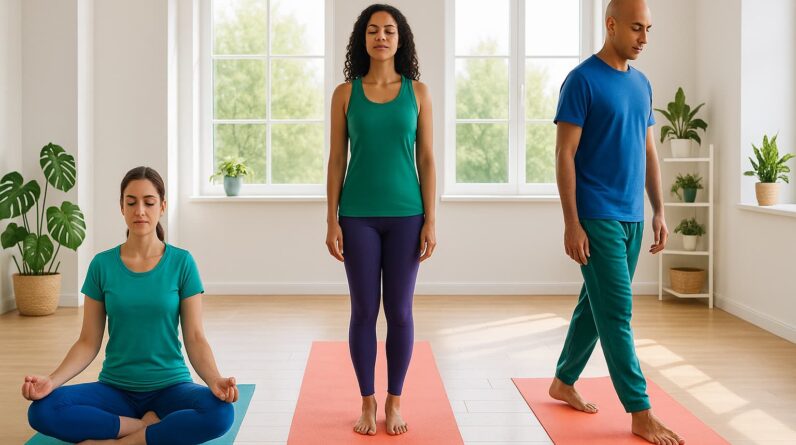
Starting a meditation routine can feel tough, but it doesn’t have to be. You don’t need special gear, lots of free time, or previous experience. Just five minutes a day could help you feel calmer, sharpen your focus, and handle stress better.
This simple 7-day plan is designed for complete beginners. By the end of the week, you’ll know easy practices you can use anytime life feels overwhelming. You’ll notice small changes in your mood, your attention span, and maybe even how you react to challenges. All it takes is a few minutes and a willingness to try something new.
Why Try Meditation? The Science and Benefits
Meditation has been practiced for thousands of years, but now more people are turning to it for real, proven benefits. Modern science backs what many have felt for generations: meditation calms the mind, relaxes the body, and helps handle stress. You don’t need to chant, empty your mind, or sit still for an hour to see a change. Five minutes a day can start a ripple effect, making daily stress easier to handle and boosting your mood.
The Science Behind Meditation
Researchers have studied meditation for decades. Over 1,000 published studies show its value for your health and mind. Here’s what the science says:
- Meditation activates areas of the brain linked to relaxation and self-awareness.
- Just a few minutes of daily practice lowers the levels of cortisol, the stress hormone.
- Regular meditators show more grey matter in brain areas tied to memory, focus, and emotional control.
In one study by Harvard Medical School, eight weeks of simple mindfulness meditation visibly changed parts of the brain involved in learning and stress management. The benefits weren’t limited to expert monks; ordinary people saw results.
A review of studies published in JAMA Internal Medicine also found that mindfulness meditation helps reduce anxiety, depression, and pain.
Key Benefits: What Meditation Can Do for You
Starting a meditation habit changes more than your mood. People notice clear, everyday benefits, often in just a week or two. Here are some of the top reasons people stick with it:
Mental Health Boosts
- Reduces feelings of anxiety or overwhelm.
- Helps break the cycle of negative thoughts.
- Eases symptoms of mild depression.
Sharper Focus
- Improves your attention span so you can get more done.
- Helps reduce daydreaming or distraction.
- Makes it easier to return to the moment instead of getting lost in worries.
Mood and Wellbeing
- Lifts your mood and leaves you feeling more balanced.
- Can boost feelings of compassion and patience towards yourself and others.
- Fosters a sense of calm, making day-to-day life less tiring.
Physical Perks
- Can lower blood pressure if practiced regularly.
- Helps relax tense muscles and slow your heart rate.
- May lead to better sleep over time.
Here’s a quick table showing meditation’s top benefits at a glance:
| Benefit | How It Helps | Study Support |
|---|---|---|
| Lower Stress | Slows heart rate, reduces cortisol | Harvard, JAMA |
| Better Focus | Increases attention span, sharpens memory | Massachusetts General |
| Mood Boost | Less anxiety or depression, calmer outlook | Johns Hopkins University |
| Improved Sleep | Relaxation before bed, fewer racing thoughts | Sleep Medicine Reviews |
Common Myths for Beginners
Many people have doubts before their first try. Let’s clear up some common myths:
- “I need to clear my mind completely.”
Not true. Meditation is about noticing your thoughts, not fighting them. - “I have to sit still for long periods.”
Even two to five minutes can help. Short sessions still count. - “Only calm people are good at meditation.”
Everyone struggles at first. If your mind wanders, that’s normal. - “I need a perfect, quiet space.”
Any place where you can sit for a few minutes will work.
The truth is, meditation works for real people with real lives and busy minds. Each session is practice, not perfection. Give it a try—even if it feels awkward at first. The benefits are yours to discover.
Getting Ready: Setting Up for Your 5-Minute Practice
Before you start meditating, it helps to get set up so you can focus. Preparation doesn’t need to take long, and a few simple steps can make your five minutes feel easier and less stressful. The right spot, a comfortable position, and a few useful tools can make your new habit stick.
Choose a Quiet, Comfortable Spot
Finding a good location matters more than most people think. You don’t need a special meditation room or a fancy cushion. Pick a place where you feel relaxed and unlikely to be interrupted for five minutes. This might be the edge of your bed, a favorite chair, or even a spot on the floor with a folded towel or pillow.
If you live with others, let them know you’re taking a short break. Light background noise, like a fan or soft music, is okay. The main goal is to create a sense of calm and minimize distractions.
Quick tips for your meditation spot:
- Avoid busy or high-traffic areas.
- Turn your phone to silent or airplane mode.
- Adjust the lighting to what feels soothing (natural light works great).
Find a Comfortable Position
You don’t need to sit cross-legged like a monk to meditate. The way you sit or rest should help you feel at ease, not stiff or strained. The best posture is one where you can relax without feeling like you’re slumping or tense.
Try these options:
- Sit on a chair with your feet flat on the ground.
- Sit on a cushion on the floor with your legs folded (any way that’s comfy).
- Lean back against a wall for extra support.
Rest your hands on your legs or in your lap, palms up or down. Keep your back straight but not rigid, and let your shoulders drop away from your ears. If you need to adjust during practice, do it gently and without guilt.
Cut Down on Distractions
Distractions make meditation harder, especially at the start. Simple changes can make a big difference. Take a minute to look around your space before you begin and remove obvious distractions.
A few easy ways to cut down distractions:
- Silence your phone, smartwatch, or computer notifications.
- Close doors or gently ask others for a few minutes of quiet.
- Set aside pets, if possible, so you can focus on your breath.
If an outside noise interrupts you, don’t worry. Notice it, let it go, and return to your practice. Every session is practice, not a test.
Optional Tools and Simple Helpers
You don’t need fancy equipment, but a couple of tools can be helpful if you’re just starting out. Many beginners find these make the routine easier:
- Timer: Use your phone or a kitchen timer to set your five minutes. This stops you from checking the clock and lets you relax fully until the timer goes off.
- Meditation App: Apps like Insight Timer, Headspace, or Calm have free timers and guided sessions. They can give structure and support, especially if you find it hard to sit in silence at first.
- Blanket or Cushion: Extra padding under your seat or lower back can help you stay comfortable for longer.
None of these are required. The key is making your meditation feel inviting rather than a chore. Set yourself up so your mind and body have what they need to settle in, even just for five minutes.
Getting ready for meditation doesn’t need to be complicated. A quiet spot, a position that feels good, and a few smart choices can get you started with less stress and more ease.
The 7-Day, 5-Minute Meditation Plan
Starting with just five minutes a day, you can build the foundation for a meditation practice that fits real life. This 7-day plan gives you simple steps to follow each day, introducing one meditation method at a time. Each day’s technique builds on the last, helping you find what works best for your own routine. No experience needed—just an open mind and five minutes.
Day 1: Awareness of Breath
Begin by sitting comfortably and allowing your eyes to close, if that feels natural. Turn your attention to your breathing. You don’t need to change how you breathe. Just notice the feeling of air moving in and out. Is it cool as it enters your nose? Do your shoulders rise gently as you inhale?
When your mind wanders (and it will), bring it back to your breath. Imagine each breath as a gentle wave, steady and calming. If your thoughts jump in, silently say “breathing in” or “breathing out” to anchor your focus. There’s no need to force anything. Stay as relaxed as possible.
Day 2: Body Scan
On day two, focus on the physical sensations in your body from head to toe. Start at the crown of your head. Notice any feeling—warmth, tingling, or even nothing at all. Move down slowly: forehead, jaw, shoulders, arms, chest, stomach, legs, and feet. Pause a moment on each part.
If you find tension, just notice it without trying to change it. Breathe in, and on your out-breath, imagine letting go of tightness. The body scan grounds you in the present and helps reveal where stress hides.
Day 3: Noting Thoughts and Letting Go
Today, pay attention to your thoughts as they come and go. When a thought pops up, quietly label it. You might say “planning” for a to-do list or “worrying” if a stressful thought appears. After noting, guide your focus back to your breath.
Treat your thoughts like clouds passing in the sky. They drift by, and you return to breathing. Drop any urge to judge yourself for wandering. This practice builds patience and shows you don’t have to get tied up in every thought.
Day 4: Guided Visualization
Visual meditation can carry the mind away from stress. For today’s session, imagine a peaceful scene: a quiet beach, a sunlit forest, or any place that feels safe. Picture sights, sounds, and even smells. If your mind drifts, gently steer it back to your chosen scene.
Some beginners find it helpful to use free online guided visualizations or meditation app recordings. Listening can make holding the image easier. Visualization helps you create a haven you can visit anytime.
Day 5: Loving-Kindness (Metta) Meditation
Loving-kindness meditation, also called metta, builds feelings of warmth and goodwill. Close your eyes and bring your attention to your heart. Silently repeat phrases such as “May I be happy. May I be safe. May I be healthy.”
After a minute or two, send these wishes to someone you care about, and later, even to people you don’t know well. This practice grows your kindness toward yourself and others and can lift your mood in just a few minutes.
Day 6: Mindful Senses
On this day, wake up your senses. Focus on sounds around you—birds, the hum of a fridge, your own breath. Or choose another sense, like feeling the fabric under your hands or the air on your skin.
Notice how your mind reacts and brings you back to the present moment. This style of meditation is easy to practice anywhere and trains your mind to be present during daily life, not just in silence.
Day 7: Putting It All Together
Now, you get to experiment. Use this session to mix and match any techniques from the week. Start with a few breaths, scan your body, note thoughts or focus on a peaceful scene. See what feels natural.
At the end, take a minute to reflect. Did one method stand out or feel easier for you? Trust what draws you in. Meditation is most effective when you find what suits you best. This final day encourages you to make meditation your own—a simple, personal way to reset, any day you need it.
Tips for Sustaining Your Meditation Habit
Building a new habit often feels like starting a tiny snowball at the top of a hill. You roll it a bit every day, and with time, consistency helps it grow. Meditation works the same way. Little daily choices add up, making each session feel more natural and less like a big effort. Here’s how you can keep your meditation routine on track after your 7-day start.
Schedule Your Daily Meditation
Meditation is a lot easier to stick with when it becomes part of your routine, like brushing your teeth or making coffee. If you skip it too often, it can quickly fade into the background.
Try these simple ways to schedule your sessions:
- Pick a set time each day. Mornings work for some, evenings for others. Experiment and find what feels right.
- Tie it to an existing habit. Meditate right after you wake up, during a lunch break, or before bed.
- Set a reminder. Use your phone, a sticky note, or a recurring event on your calendar.
Consistency helps your mind know what to expect, making meditation feel less like a chore and more like a regular part of life.
Handle Setbacks with Self-Kindness
Nobody’s perfect. Missing a day (or three) doesn’t erase your progress. What matters is how you handle the bumps, not whether you avoid them altogether.
Here’s what helps:
- If you skip a session, notice it, and gently bring yourself back the next day.
- Remind yourself that even five minutes is better than none.
- Let go of the “all or nothing” mindset. Showing up, even imperfectly, still counts.
Life gets busy, and that’s okay. Think of your meditation habit as a friend you can always return to, not another item on your to-do list.
Join Groups or Find Support
Meditation doesn’t have to be a solo activity. Finding community or support can add motivation and accountability.
You might try:
- Online communities. Many apps and websites offer groups, challenges, or forums.
- Local classes. Some gyms, yoga studios, or community centers host beginner sessions.
- Buddy up. Invite a friend or family member to join you, even if you both meditate at different times.
When you know others are on the same path, you may feel less alone and more encouraged to keep going.
Set Realistic Expectations
It’s easy to hope for big changes right away, but forming any habit takes patience. Meditation rewards practice over perfection.
Keep these reminders in mind:
- Focus on the process, not the outcome. Enjoy the feeling of taking a break, rather than chasing a certain result.
- Notice small wins, like feeling calmer after a session or snapping out of a bad mood faster than before.
- Be patient with yourself. Progress looks different for everyone.
Over time, these small steps add up. Each short session is like a deposit into your mental bank account.
Quick Reference: Sustaining Your Practice
Here’s a table with actionable tips you can keep handy:
| Habit Tip | How It Helps |
|---|---|
| Consistent Time | Builds routine and momentum |
| Gentle Self-Talk | Stops guilt from stopping your habit |
| Social Support | Increases motivation and accountability |
| Celebrate Small Steps | Keeps your mood and focus high |
| Patience | Reduces pressure to “get it perfect” |
By keeping meditation simple, supportive, and kind to yourself, you can make it part of your daily life—no pressure, just progress.
Frequently Asked Questions for New Meditators
When starting a daily meditation habit, questions and doubts pop up quickly. If you’re puzzled by physical restlessness, unsure about progress, or just curious about what’s “normal,” you’re in good company. Here are honest answers to some of the most common questions beginners have during their first week of practice.
What Should I Do If I Feel Restless or Fidgety?
Feeling restless isn’t a sign you’re doing meditation wrong. It’s common for newbies to get twitchy or distracted. Your body and mind are not used to sitting still on purpose, and that’s okay.
Try these tips when you feel antsy:
- Notice the restlessness. Label it in your mind, like saying “restless” or “fidgety” to yourself.
- Move gently if needed. You don’t have to freeze like a statue. If you need to adjust your posture or stretch, do it slowly and return to your breath.
- Be kind to yourself. Judgment creates more tension. Each time you come back to your practice, you’re learning.
Even long-time meditators have restless days. Consistency helps your mind and body get used to short periods of calm.
Can I Meditate When My Surroundings Are Noisy?
You don’t need complete silence to meditate. In fact, meditating with some noise will train your focus for real life. Most of us live in busy homes, apartments, or cities. Learning to sit with these sounds is part of the process.
Here’s what can help:
- Treat sounds like background music. Notice them without getting lost in them or labeling them as “bad.”
- Try earplugs or noise-canceling headphones if you want extra quiet.
- Use a fan or white noise if you need a steady background sound to cover sharp noises.
If a sudden noise interrupts you, gently bring your focus back. Every time you refocus, you’re practicing the core skill of meditation.
How Do I Know If I’m Making Progress?
It’s easy to wonder if your five minutes are “working.” Meditation progress isn’t always clear at first, especially during your first week. You may not feel dramatic changes right away, and that’s completely normal.
Look for these subtle signs:
- A sense of calm right after you finish.
- Noticing your thoughts a little quicker.
- Finding it easier to come back to the moment when your mind drifts.
- Slight mood boosts or less reactivity during stressful situations.
If you want to track your journey, try a very simple practice tracker. For example, use a calendar and put a checkmark each day you sit. This visual streak helps you see your consistency, which matters more than instant results.
When Are Results Supposed to Happen?
Many people hope for fast results. While some report feeling calmer after just one session, most changes take a little longer. You may feel small shifts by the end of your first week, like softening around stress, sleeping better, or catching yourself before a snap reaction.
Here are realistic timeframes:
- First week: Notice small mood changes or brief moments of calm.
- 2-4 weeks: See more consistent benefits like better focus or patience.
- Ongoing: Larger changes (like deeper calm or better sleep) grow over months of steady practice.
Meditation is like watering a plant. You might not see growth every day, but with steady attention, the results show. Keep showing up for five minutes and let progress unfold at its own pace.
What Should I Do If My Mind Keeps Wandering?
Everyone’s mind wanders—sometimes non-stop at first. The real skill is noticing when your attention slips and gently bringing it back without frustration.
You can make this easier by:
- Naming the distraction (for example, “thinking” or “planning”).
- Refocusing on your breath, your senses, or the feel of your body sitting.
- Smiling or taking a calming breath when you catch yourself wandering.
Wandering minds are part of meditation, not a failure. The simple act of coming back may be the most valuable skill you build.
Quick-Reference Table: Common Beginner Questions
For a quick guide, here’s a breakdown of popular questions and simple answers:
| Question | Short Answer |
|---|---|
| What if I feel restless? | Notice, adjust gently, and be kind |
| Can I meditate in noisy places? | Yes, treat sounds as part of practice |
| How do I track progress? | Use a calendar or notice small mood changes |
| When will I see results? | Often within days or weeks, with steady practice |
| What if my mind wanders a lot? | Gently return focus each time |
Every question is normal. Meditation is a personal routine, not a test. Trust what you’re experiencing and keep coming back, even if your sessions feel imperfect. Small actions each day create real and lasting benefits over time.
Conclusion
Your first week of meditation is a real achievement. Taking five minutes a day for yourself can spark meaningful changes and show that calm and focus are within reach. Small steps, like this 7-day plan, make building a new habit feel possible, no matter how busy life can get.
Reflect on how your mind and mood shifted over the past week. Write down what surprised you or which practices felt most natural. Share your thoughts in the comments or with a friend who wants a calmer mindset too. Consider setting a new intention for the days ahead. Will you try longer sessions or revisit your favorite technique?
If you want more support, check out guided meditation apps like Insight Timer, Headspace, or Calm. Many libraries and podcasts also offer free resources to help you grow. Thank you for reading and giving your mind this time. How will you shape your next week of practice?