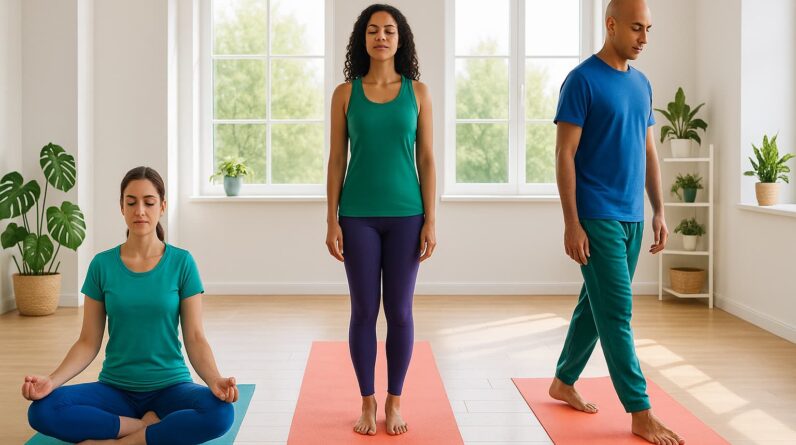
Feeling tense or scattered? Your breath can help bring you back to calm and clarity. Simple breathing methods give your mind and body a break, making it easier to handle daily stress.
Box Breathing, 4-7-8, and Extended Exhale are easy to learn, even if you’re brand new to breathwork. You don’t need any special tools or a lot of time. These three techniques can support better focus, soothe anxiety, and help you relax when you need it most.
Practiced consistently, mindful breathing becomes a handy tool for managing the ups and downs of everyday life. Let’s look at how you can use your breath to feel more balanced and present.
The Science Behind Your Breath: Why It Works
Ever wonder why you feel better after a few slow, deep breaths? The relief isn’t imaginary; it’s rooted in real science. Gently changing how you breathe can flip important switches in your brain and body, shifting you from stress to calm. When you use techniques like Box Breathing, 4-7-8, or Extended Exhale, you tap into built-in systems that decide if you fight, flee, or chill out and recover. Here’s how your breath becomes the remote control for your body’s nervous system.
Autonomic Nervous System: Your Internal Regulator
The autonomic nervous system runs quietly in the background, handling things you don’t have to think about, like your heartbeat, digestion, and—of course—your breathing. It works in two ways:
- Sympathetic system (think “gas pedal”): This is your body’s stress activator. It gets you ready for action, speeds up your heart, tightens muscles, and raises your blood pressure. When life gets stressful, this system takes over.
- Parasympathetic system (think “brake pedal”): This is your rest-and-repair mode. It kicks in after you relax or when you practice slow, mindful breathing. It soothes your body, slows your heart, and tells your muscles to unwind.
Most people live with their “gas pedal” pressed halfway down, which keeps stress hormones like cortisol flowing. Conscious breathing signals your body to press the brakes instead.
Simple breathing exercises help:
- Slow your heart rate
- Drop your blood pressure
- Lower your cortisol (stress hormone) levels
- Shift you from “fight or flight” to “rest and digest”
In effect, how you breathe sends a clear message to your brain: everything is safe, and it’s okay to relax.
Vagal Nerve Toning and Stress Reduction
The vagus nerve is a key messenger running from your brain through your chest and abdomen. Think of it as a long, winding cord connecting your mind and body. When you take slow, deep breaths, you gently “tone” or activate this nerve.
Why is vagus nerve activation important? Here’s a snapshot:
| Effect of Deep Breathing | What Happens in Your Body |
|---|---|
| Stimulates the vagus nerve | Activates relaxation response |
| Slows heart rate | Provides a sense of calm |
| Lowers blood pressure | Reduces physical symptoms of stress |
| Lowers cortisol | Eases anxious or tense feelings |
Each deep breath is like a reset button. By engaging the vagus nerve, you tell your body to downshift from stress into a peaceful state. Over time, practicing these breathing techniques makes your nervous system more adaptable. That means you recover from stress faster and feel less rattled when challenges show up.
The next time you pause for a few slow breaths, know that you’re not just “calming down”—you are changing your biology in ways scientists can measure. That’s the real magic behind breathwork.
Mastering Box Breathing: Stability and Focus
Box Breathing stands out as an easy way to anchor yourself in moments of chaos or distraction. Sometimes called “square breathing,” this technique traces back through yoga, special forces training, and mindfulness practices. Its magic is the steady, balanced rhythm—each phase of the breath gets equal time. This simple structure calms your mind, sharpens your awareness, and leaves you feeling more grounded, fast.
Step-by-Step Guide to Box Breathing
The structure of Box Breathing creates a mental “square” that is easy to remember and practice anywhere. Here’s how you can do it:
- Find a comfortable position. Sit upright with your feet flat on the floor and your hands resting in your lap. Lower your shoulders, relax your jaw, and let your eyes close or soften your gaze.
- Clear your mind. If thoughts pop up, notice them, then gently return your focus to your breath.
- Start the pattern. Breathe only through your nose and follow this four-part cycle:
- Inhale gently for a count of four seconds.
- Hold your breath for a count of four seconds.
- Exhale slowly for four seconds.
- Hold your breath out for four seconds before starting the next inhale.
- Repeat. Go through this cycle four or more times. Feel free to adjust the counting speed for comfort, but keep all four parts the same length for the best results.
To stay focused, you can picture each phase as tracing the side of a box. Imagine drawing up for inhale, across for hold, down for exhale, and back for the final hold. This mental image keeps you anchored and helps quiet wandering thoughts.
Tips for success:
- Sit up tall but stay relaxed. Avoid stiffening your back or shoulders.
- If counting four feels tight, try three seconds. If it’s easy, go a little longer, but make sure all four phases are even.
- Use a timer or a calming app with vibration to help stay on track if you need.
When to Use Box Breathing
Box Breathing isn’t just a tool for stress relief; it works anytime you need to hit reset and regain control of your attention or nerves. Here are times when this technique will help most:
- Before important meetings or presentations: Slow your racing mind, settle nerves, and walk in feeling steady.
- During high-stress situations: Calm yourself if you feel your chest tightening, heart pounding, or thoughts racing.
- To improve focus during tasks: Use a few rounds at your desk when you catch yourself drifting or losing track of what you’re doing.
- When winding down for bed: Ease racing thoughts or restlessness so you can fall asleep faster.
- During transitions: Pausing for a few cycles between parts of your day (work to home, study to relaxation) helps you mentally reset.
Think of Box Breathing as your emergency brake or reset button. You can use it at your desk, in the car, or even in a crowded room. No one else has to notice, but you’ll feel the shift in your body and mind almost immediately. The more often you practice, the easier it gets to tap into calm and focus any time you need.
The Calming Power of 4-7-8 Breathing: The Natural Tranquilizer
If you ever wish you had a “pause” button for anxious feelings or restless nights, 4-7-8 breathing could be the answer. This simple method, introduced by Dr. Andrew Weil, is often called the “natural tranquilizer for the nervous system.” Inspired by ancient yogic breathing, it brings your mind and body into a restful state fast. The unique 4-7-8 rhythm isn’t random—it’s designed to upgrade how your body handles stress, steady your nerves, and slow things down when everything feels too much. Regular practice balances the nervous system and helps more oxygen reach your brain and muscles, creating a deep sense of calm.
How to Practice 4-7-8 Breathing for Deep Relaxation
4-7-8 breathing works best when you follow each step mindfully. It only takes about a minute to feel a shift. Here’s exactly how to do it:
- Exhale completely through your mouth, letting out a soft “whoosh” sound. Push all the air out so you start with empty lungs.
- Close your mouth and gently place your tongue against the ridge of tissue just behind your top front teeth (keep it there throughout).
- Inhale quietly through your nose for a count of 4. Breathe in slowly and deeply.
- Hold your breath for a count of 7. Stay relaxed and don’t clench your jaw or shoulders.
- Exhale completely through your mouth for a count of 8, again making a gentle “whoosh” sound.
- Repeat the cycle up to 4 times in a row, especially when you’re starting out.
Keep your breathing even and steady. As you get more comfortable, you can do more cycles as needed.
Key tips to remember:
- Always keep your tongue at the top of your mouth, even while exhaling.
- The exhale should be longer than the inhale, which tells your body it’s time to relax.
- If holding the breath for 7 counts feels hard at first, go at your own pace, but keep the same ratio: exhale is the longest.
Optimal Times for 4-7-8 Breathing
You can use 4-7-8 breathing just about anywhere you need to reset, but it really shines during moments of tension or when you’re trying to wind down. Common situations where this technique helps include:
- Falling asleep: Use it as a nightly ritual when restless thoughts keep you awake. The slow rhythm cools off mental chatter and nudges your body toward sleep.
- Easing anxiety: When worries pop up in the middle of the day, a few rounds cut through the spiral and shift you into a calmer state.
- Managing anger or irritation: Long breath holds interrupt the “snap” of anger and give you a space to respond instead of react.
- Quick breaks during stressful moments: Use at your desk before a tough call, while waiting in line, or anytime your heartbeat speeds up.
- Transitioning between activities: Whether you’re ending a busy workday or shifting from errands to relaxation, this breathing pattern signals your mind to slow down.
Many people find that 4-7-8 breathing is a portable tool. You don’t need to be on a yoga mat or in a quiet room. Just a minute, anytime you remember, can calm the storm in your body and mind. Regular practice builds the effect, so even on days when you’re not stressed, it sets a baseline for deeper calm.
Try it tonight before bed, or the next time nerves start to creep in, and see how quickly the atmosphere inside you shifts.
Extended Exhale: Releasing Tension and Activating Calm
Breathing out for longer than you breathe in is like hitting the slow-down button on your nerves. While Box and 4-7-8 breathing focus on structure or counting, the magic of the Extended Exhale is in making the out-breath dominant. Here, the power comes from stretching your exhale to double the length of your inhale. This trains your body’s relaxation response and shakes off tension with every breath. Whether you’re brand new or a seasoned meditator, this technique feels immediately soothing and accessible.
Technique for a Longer, More Relaxing Exhale
You don’t need special skills to get started. The focus is on natural, gentle breathing, with added attention on a slower release.
Follow these steps for an effective extended exhale:
- Sit comfortably with your back straight and shoulders relaxed.
- Inhale softly through your nose for a count of three or four. Breathing should feel easy, not forced.
- Exhale slowly and fully through pursed lips, drawing out the release for a count of six to eight. Imagine blowing out through a straw, letting the air trickle out in a steady stream.
- Pause briefly at the end of your exhale if it feels good, then repeat.
Aiming for an exhale about twice as long as your inhale is the key. You can gently adjust the counts to fit your comfort. Using pursed lips adds resistance and helps channel your release. Think of it like letting the air out of a balloon in slow motion—quiet and calm. With practice, this longer out-breath becomes second nature and signals your body to unwind.
Tips for best results:
- Keep the inhale light but the exhale slow and steady.
- If your exhale feels rushed, drop the count lower until it’s smooth.
- Practice for a few cycles at first, then work up to a few minutes.
Benefits of Prioritizing the Exhale
Pulling focus to a longer exhale isn’t just about feeling peaceful in the moment. This technique sends a clear signal to your nervous system that it’s safe to relax.
A longer exhale:
- Reduces the chance of hyperventilation. Short, choppy breathing often makes stress worse and can lead to feeling lightheaded. Extending the out-breath flips this pattern, slowing your breathing naturally and making every breath count.
- Activates the vagus nerve. Each slow exhale is like dialing up the parasympathetic system—the braking system for stress. When this nerve gets a gentle nudge, your heart rate drops, blood pressure steadies, and you experience real calm from the inside out.
- Releases physical tension. Muscles grip and tighten with stress, but a long exhale is your body’s cue to let go. With every slow breath out, tension leaves the shoulders, chest, and even the jaw.
- Improves focus and mood. The calming effect doesn’t just quiet your body; it also steadies your mind, easing mental clutter and helping you feel present.
Here’s how the Extended Exhale stacks up against Box and 4-7-8 breathing:
| Breathing Style | Main Focus | Exhale Dominant? | Fast Calm? | Nervous System Response |
|---|---|---|---|---|
| Box Breathing | Balance, structure | No | Yes | Shifts focus, steadies |
| 4-7-8 Breathing | Rhythm, longer exhale | Yes | Yes | Deep relaxation, sleepier |
| Extended Exhale | Longer out-breath | Yes | Yes | Activates deep calm |
Extended Exhale stands out because you can focus mostly on the release, letting your body do what it already knows. If you carry tension or feel “on edge,” stretching your exhale is like a direct line to softness and relief. Try it next time your shoulders creep up or your mind starts racing. Long, gentle exhales will help you return to calm, one breath at a time.
Conclusion
Box Breathing, 4-7-8, and Extended Exhale each offer a clear path to more calm, focus, and control when stress shows up. Box Breathing grounds your mind and steadies your nerves fast. 4-7-8 brings deep relaxation and can help you unwind or fall asleep. The Extended Exhale teaches your body to let go by drawing out tension with every slow breath out.
Consistency pays off. The real benefits build day by day, not just in single sittings. Try these breath basics often and see which style suits your needs or mood. Every mindful breath you take adds to your sense of balance and ease.
Start today: weave a few minutes of intentional breathing into your daily rhythm. Share your experience below, or encourage someone close to join you. Your breath is always ready to help you find more clarity and calm, one pause at a time. Thank you for reading.