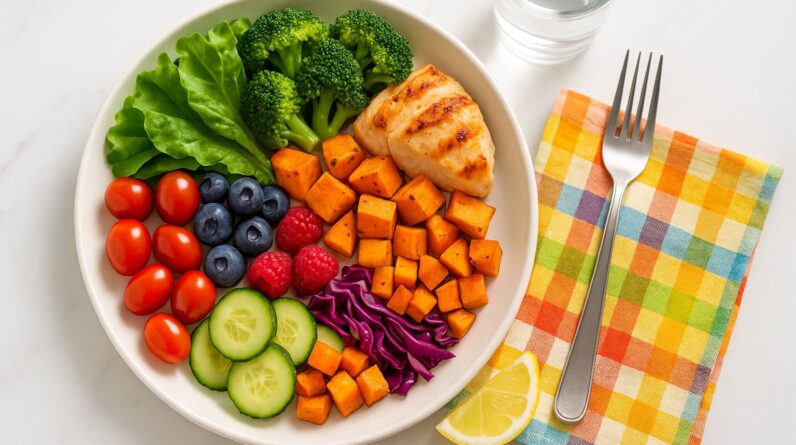
Do you want an easier way to improve how you eat, without tracking every calorie or following strict diet rules? Many people are discovering the “7-to-1 Plate” strategy, a simple yet powerful method for better eating. It’s quickly gaining popularity because it makes healthy eating practical and stress-free.
This approach helps you build more balanced meals naturally. You simply adjust the ratio of different food groups on your plate, making it simple to get more nutrients without feeling deprived. It’s a sustainable change you can easily keep up with in 2025 and beyond.
Understanding the Fundamentals of the 7-to-1 Plate Principle
The 7-to-1 plate is a straightforward approach to meal planning. It helps you focus on eating more beneficial foods without rigid counting. This principle guides you to visually balance your plate for better health. It’s about making smarter choices every time you eat.
The Core Ratio: What 7 and 1 Represent
The “7” in the 7-to-1 ratio represents plant-based foods. These are items that come from plants. The “1” refers to animal-based proteins or other non-plant foods. This ratio is all about volume on your plate and not about weight or calories. You don’t need a scale to follow this principle.
Here’s a simple breakdown of what fits into each portion:
- The “7” (Plant-Based Foods):
- Vegetables: Think leafy greens like spinach and kale, broccoli, carrots, bell peppers, zucchini, and sweet potatoes.
- Fruits: Apples, berries, bananas, oranges, and pears.
- Whole Grains: Brown rice, quinoa, oats, whole-wheat pasta, and whole grain bread.
- Legumes: Lentils, black beans, chickpeas, and kidney beans.
- Nuts and Seeds: Almonds, walnuts, chia seeds, and flax seeds.
- The “1” (Animal-Based Proteins / Other Non-Plant Foods):
- Lean Proteins: Chicken breast, turkey, fish like salmon or cod, and lean cuts of beef or pork.
- Eggs: A versatile protein source.
- Dairy: Greek yogurt, cheese, or milk.
- Plant-Based Protein Alternatives (if not counted in the “7”): Tofu, tempeh, or seitan, especially when the main focus of the meal is these items.
When you look at your plate, roughly seven-eighths of it should be filled with your plant-based choices. The remaining one-eighth will be your protein or other non-plant items. This visual guide simplifies healthy eating.
Why This Ratio Works: The Science-Backed Benefits
This 7-to-1 ratio works because it emphasizes a plant-forward diet. This style of eating offers many science-backed health benefits. Your body thrives when you give it a wide range of nutrients commonly found in plants.
Consider these advantages:
- Increased Fiber Intake: Plant foods are rich in dietary fiber. Fiber helps with digestion, keeps you feeling full, and supports a healthy gut.
- Essential Vitamins and Minerals: Fruits and vegetables are packed with vitamins like A, C, and K, plus minerals such as potassium and magnesium. These are crucial for overall bodily function.
- Reduced Saturated Fat: By prioritizing plants, you naturally consume less saturated fat. High saturated fat intake is often linked to heart health issues.
- Improved Gut Health: The fiber in plant foods acts as fuel for beneficial gut bacteria. A healthy gut microbiome can positively impact digestion, immunity, and even mood.
By consistently choosing more plants, you naturally displace less healthy options on your plate. This means fewer ultra-processed foods, less added sugar, and a lower intake of unhealthy fats. The 7-to-1 principle isn’t just about adding good things. It’s also about reducing foods that do not serve your health well. This simple ratio guides you toward a more balanced and nourishing way of eating every day.
Practical Application: Building Your 7-to-1 Plate Every Day
Now that you understand the 7-to-1 principle, let’s look at how to put it into action. This isn’t about perfection, but about making consistent, small shifts. We’ll explore practical ways to build your plant-forward plate for every meal, making healthy eating a natural part of your routine.
Breakfast Creations for a Plant-Forward Start
Starting your day with a 7-to-1 friendly breakfast sets a positive tone. It can be simple, satisfying, and doesn’t require complex recipes. The goal is to prioritize whole grains, fruits, and vegetables.
Consider these easy and delicious options:
- Hearty Oatmeal: Cook a generous serving of rolled oats with water or unsweetened plant milk. Once cooked, stir in a handful of fresh berries like blueberries or raspberries and a sprinkle of chopped walnuts or almonds. You get plenty of fiber and healthy fats.
- Vegetable and Tofu Scramble: This savory option is packed with plants. Sauté your favorite chopped vegetables, such as bell peppers, onions, spinach, or mushrooms. Crumble firm tofu into the pan and season it with turmeric for color and a savory blend like nutritional yeast. Pair this with a slice of whole-grain toast.
- Avocado Toast with a Twist: Use a slice of whole-grain bread as your base. Mash half an avocado onto it, then layer with thinly sliced cucumber, cherry tomatoes, and a pinch of everything bagel seasoning. This provides healthy fats and a good amount of vegetables.
These breakfasts are quick to prepare and ensure you start with a strong plant-to-protein ratio.
Lunch and Dinner: Effortless Meal Construction
Building your main meals around the 7-to-1 principle is easier than you think. Focus on making plants the star of your plate. Think about large portions of vegetables, grains, and legumes, with a smaller portion of animal protein if you choose.
Here are some go-to meal ideas:
- Vibrant Salads: Begin with a large bed of mixed greens. Add an array of chopped vegetables such as carrots, bell peppers, cucumbers, and red onion. Include a generous scoop of cooked quinoa or lentils for substance. Top with a small amount of grilled chicken, fish, or tofu, and dress with a light vinaigrette.
- Flavorful Stir-Fries: Load your wok or pan with broccoli florets, snap peas, mushrooms, and sliced carrots. Cook until tender-crisp. Serve this over brown rice. You can add a small portion of lean protein like shrimp or thinly sliced beef, or keep it entirely plant-based by adding edamame.
- Hearty Grain Bowls: Start with a base of farro, couscous, or brown rice. Add roasted sweet potatoes, black beans, corn, and a colorful salsa. A dollop of Greek yogurt or a sprinkle of feta cheese can provide your “1” component.
- Chili and Soup Power: A chili packed with kidney beans, black beans, diced tomatoes, and various vegetables like zucchini and bell peppers makes an excellent 7-to-1 meal. Similarly, a lentil soup served with a side of mixed greens rounds out a meal beautifully.
These examples show how versatile and satisfying plant-forward main meals can be.
Snacking Smart: Keeping the 7-to-1 Principle in Mind
Snacks are often where processed foods creep into our day. By applying the 7-to-1 principle to your snacking, you can stay fueled and nourished. Focus on whole, unprocessed plant foods.
Consider these smart snack choices:
- Fresh Fruit: An apple, banana, orange, or a handful of grapes provides natural sugars and fiber. They are perfectly portable and require no preparation.
- Vegetable Sticks with Hummus: Carrot sticks, cucumber slices, bell pepper strips, or celery are excellent with a generous serving of hummus. Hummus is made from chickpeas, making it a great plant-based dip.
- Nuts and Seeds: A small handful of almonds, walnuts, pumpkin seeds, or sunflower seeds offers healthy fats, protein, and fiber. Just be mindful of portion sizes, as they are calorie-dense.
- Edamame: Steamed edamame in their pods or shelled offer a satisfying, protein-rich plant snack.
- Rice Cakes with Toppings: Spread a thin layer of almond butter on a whole-grain rice cake and top with banana slices. Or, use avocado and a sprinkle of everything bagel seasoning for a savory twist.
By choosing these types of snacks, you avoid processed options that often contain added sugars and unhealthy fats. These choices keep you aligned with the 7-to-1 ratio throughout your day.
Beyond the Plate: Complementary Habits for Optimal Health
While the 7-to-1 Plate is a powerful tool, it’s part of a larger healthy lifestyle. Think of it as the engine, but you also need good tires and a clear road to reach your destination smoothly. This section explores other habits that enhance the benefits of this eating approach. These practices naturally support your efforts to eat better. They create a more holistic path to overall well-being.
Hydration: The Unsung Hero of Good Digestion
Water does much more than just quench your thirst. It’s a critical component for every bodily function. When you increase your fiber intake with the 7-to-1 Plate, proper hydration becomes even more important. Water helps fiber move smoothly through your digestive system. Without enough water, fiber can actually lead to discomfort. It helps prevent constipation and keeps everything flowing as it should.
Beyond digestion, water aids in nutrient absorption. It transports vitamins and minerals to your cells. Good hydration also supports metabolism and helps regulate body temperature.
Here are some simple ways to increase your daily water intake:
- Start Your Day Right: Drink a large glass of water as soon as you wake up.
- Keep Water Nearby: Always have a reusable water bottle with you. This makes it easy to sip throughout the day.
- Flavor Your Water Naturally: Add slices of lemon, lime, cucumber, or berries for a refreshing taste.
- Drink Before Meals: Have a glass of water before each meal. This can also help you feel fuller.
- Set Reminders: Use an app or set alarms on your phone to remind you to drink water.
Mindful Eating: Savoring Your 7-to-1 Meals
Have you ever eaten an entire meal without truly tasting it? In our fast-paced world, mindful eating is a practice becoming increasingly valuable. It involves paying full attention to your food and the eating experience. This means noticing hunger and fullness cues. It also means savoring the flavors, textures, and smells of your 7-to-1 meals.
When you eat mindfully, you engage all your senses. This practice enhances your satisfaction with each meal. It also encourages you to eat more slowly, giving your brain time to register fullness. This can prevent overeating and make you feel more content with smaller portions. Mindful eating turns a simple meal into a restorative experience.
To practice mindful eating, try these steps:
- Eliminate Distractions: Turn off the TV, put away your phone, and step away from your computer.
- Observe Your Food: Look at the colors and textures of your meal.
- Smell Your Food: Take a moment to appreciate the aromas.
- Chew Slowly: Notice the different flavors as you chew. Put your fork down between bites.
- Listen to Your Body: Pay attention to when you start to feel full. Stop eating when you are satisfied, not overly stuffed.
Strategic Meal Prep: Setting Yourself Up for Success
The best intentions can fall apart during busy weeks. This is where strategic meal prep becomes your secret weapon. By preparing some components of your meals in advance, you make healthy eating effortless. This is especially true for the plant-based majority of your 7-to-1 plate. Picture coming home to pre-chopped vegetables and cooked grains. It makes whipping up a healthy meal quick and simple.
Meal prepping reduces decision fatigue. You avoid the last-minute scramble or relying on less healthy takeout options. It empowers you to stick with your healthy eating goals.
Here are practical tips for prepping your plant-based components:
- Chop Your Veggies: Dedicate an hour to chopping a variety of vegetables for the week. Store them in airtight containers. Think bell peppers, onions, carrots, broccoli florets, and zucchini.
- Cook Grains in Bulk: Prepare a large batch of quinoa, brown rice, or farro. These can be used as bases for bowls, salads, or side dishes.
- Wash and Store Greens: Wash and dry your leafy greens like spinach or kale. Store them with a paper towel in a container to keep them fresh.
- Prepare Legumes: Cook a batch of lentils or chickpeas from scratch. Or, rinse and drain canned varieties. Store them for easy addition to meals.
- Whip Up Dressings and Sauces: Make a plant-based dressing or a healthy sauce at the beginning of the week. This saves time and ensures a flavorful addition to your meals.
These small efforts upfront lead to big rewards in terms of consistent healthy eating.
Addressing Common Questions and Overcoming Challenges
Even with a simple approach like the 7-to-1 Plate, questions can pop up, and challenges might arise. It’s completely normal when changing any habit. This section helps you tackle those common concerns head-on. You will find ways to keep your eating on track, even when life gets a little busy or unexpected.
Busting Common Myths: Is the 7-to-1 Plate Restrictive?
When people first hear about the 7-to-1 Plate, they sometimes worry it will be too strict or boring. Is it really that restrictive? Absolutely not! The idea that it lacks variety is a common misunderstanding.
Think about the incredible diversity of plant-based foods available. You have:
- Hundreds of Vegetables: From leafy greens and root vegetables to colorful bell peppers and cruciferous choices, the options are endless. You can roast them, steam them, stir-fry them, or enjoy them raw.
- A Rainbow of Fruits: Apples, berries, citrus fruits, melons, and tropical options can add sweetness and nutrients to any meal or snack.
- Diverse Grains: Brown rice, quinoa, farro, oats, barley, and whole-wheat pasta provide different textures and flavors.
- Legumes Galore: Lentils, black beans, chickpeas, kidney beans, and cannellini beans offer protein and fiber in countless dishes.
- Nuts and Seeds: Almonds, walnuts, chia seeds, flax seeds, pumpkin seeds, and sunflower seeds add crunch and healthy fats.
The 7-to-1 Plate actually encourages creativity in the kitchen. It inspires you to explore new ingredients. You can experiment with different cuisines that naturally favor plant-heavy dishes. This could include Mediterranean, Asian, or Mexican flavors. The flexibility means you can tailor it to your preferences. You will not feel confined by a rigid diet plan.
Navigating Social Situations and Dining Out
Eating out or attending social gatherings sometimes feels like a test of your healthy eating resolve. The good news is, you can stick to the 7-to-1 principle without feeling like you are missing out. It just takes a little planning and awareness.
Here are some practical strategies for staying on track:
- Scan Menus Wisely: Before you even arrive at a restaurant, look up their menu online. Identify dishes that are naturally vegetable-heavy. Think salads, grain bowls, vegetable stir-fries, or side dishes you can combine.
- Ask for Modifications: Most restaurants are happy to accommodate reasonable requests.
- Ask for extra vegetables instead of fries.
- Request dressings or sauces on the side.
- See if they can replace a heavy side with a steamed vegetable option.
- Ask for your protein to be grilled or baked instead of fried.
- Start with a Salad or Vegetable Appetizer: This helps fill you up with plants before the main course arrives. This way, you will likely eat a smaller portion of less compliant dishes.
- Bring a Dish to Gatherings: If you are attending a potluck or family meal, offer to bring a compliant dish. A large salad, a lentil soup, or a hearty bean chili can easily be made 7-to-1 friendly. This way, you know there is at least one truly healthy option for you.
- Portion Control: Even if a dish is not perfectly 7-to-1, you can still focus on your portion sizes. Fill most of your plate with the available plant-based options. Take a smaller amount of the animal protein or other non-plant foods.
The goal is to enjoy the experience without abandoning your principles. Small adjustments make a big difference.
Ensuring Adequate Protein and Other Nutrients
A common question for anyone increasing plant intake is, “Where will I get enough protein?” This concern is very common, but it’s simpler to address than you might think. Plant-based foods offer a surprising amount of protein.
Here are excellent plant sources of protein:
- Legumes: Lentils, chickpeas, black beans, kidney beans, and cannellini beans are packed with protein and fiber.
- Tofu and Tempeh: These soy-based products are fantastic for absorbing flavors. They are versatile protein powerhouses.
- Nuts and Seeds: Almonds, walnuts, pistachios, pumpkin seeds, sunflower seeds, chia seeds, and flax seeds all contribute protein.
- Whole Grains: Quinoa, oats, brown rice, and whole-wheat pasta contain protein, especially when eaten in larger portions.
- Vegetables: Even many vegetables, like broccoli, spinach, and peas, offer a small but meaningful amount of protein.
By including a variety of these foods throughout your day, you will easily meet your protein needs. You do not need large amounts of animal protein at every meal.
Beyond protein, a plant-forward diet also requires a little attention to other key nutrients.
- Iron: Plant sources of iron include lentils, spinach, kale, fortified cereals, and tofu. Pair these with vitamin C rich foods, like bell peppers or citrus fruits, to boost absorption.
- Vitamin B12: This vitamin is largely found in animal products. As such, it is the only nutrient that consistently requires supplementation or fortified foods (like plant milks and cereals) on a predominantly plant-based diet.
- Calcium: Fortified plant milks, tofu (set with calcium sulfate), dark leafy greens, and sesame seeds are good sources.
- Omega-3 Fatty Acids: Flax seeds, chia seeds, walnuts, and hemp seeds provide beneficial plant-based omega-3s.
The key is to embrace a diverse diet. When you eat a wide array of plant foods, you naturally cover most of your nutrient bases. If you have any specific concerns, discussing them with a healthcare provider or a registered dietitian is always a smart choice. They can help you create a personalized plan.
Conclusion
The 7-to-1 Plate offers a simple, powerful way to improve your eating habits without strict rules or calorie counting. It shifts your focus to abundant plant foods, naturally boosting fiber, vitamins, and minerals. This approach makes healthy eating enjoyable and sustainable for the long term.
Start small, perhaps by adjusting one meal a day. Gradually integrate this principle into your daily routine. The 7-to-1 Plate is a flexible and effective path to lasting health and well-being. Try it out and discover how effortless eating better can truly be.