


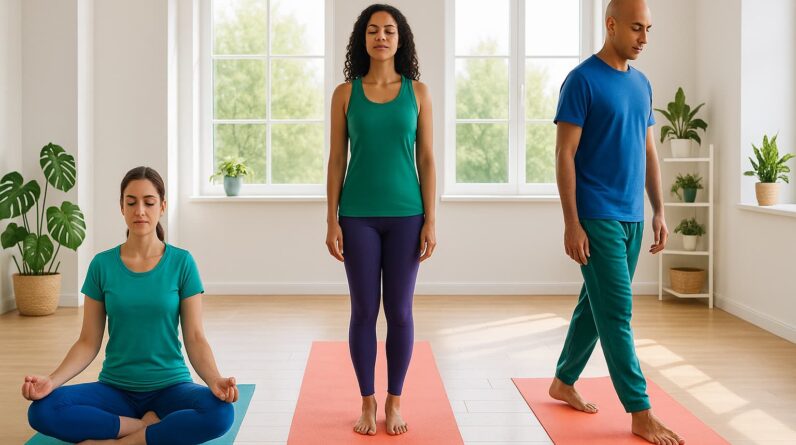
Finding the right posture can make meditation feel easier and more effective. Sitting, standing, or walking each shapes how your mind and body settle during practice. The way you position yourself can boost comfort, sharpen focus, and help you stay mindful longer.
This guide breaks down how each posture supports different needs so you can pick what works best every time you meditate. Whether you’re new to meditation or want to improve your current routine, you’ll learn simple ways to get comfortable and stay present.
Understanding the Role of Posture in Meditation
Posture is more than just sitting straight or standing tall. In meditation, how you hold your body changes everything from your breath to your state of mind. A balanced position helps you stay comfortable, keeps your mind alert, and lets energy flow without obstacles. When your posture works with you, meditation feels smoother and more rewarding. Let’s break down how posture shapes your breathing, focus, and energy throughout your practice.
Body Alignment and Mental Clarity
Good posture is like the frame for a painting—it supports the main event. When you align your spine, relax your shoulders, and keep your head upright, it helps clear mental clutter. Research shows that sitting with a straight back encourages alertness, making it easier to notice thoughts without drifting off. In a study published in Cognitive, Affective, & Behavioral Neuroscience, participants who meditated with proper alignment reported increased focus and less mind-wandering compared to those slouching or hunching over.
You don’t have to sit perfectly still, but making small adjustments like lifting your chest or tucking your chin slightly can help you stay awake and engaged.
Influence on Breathing
Breathing drives meditation. Posture directs how deeply and easily you can breathe. When you slump, your lungs have less room and your breath becomes shallow. If you keep your chest open and shoulders soft, air flows freely. This type of breathing, known as diaphragmatic or “belly breathing,” calms your nervous system and keeps distractions at bay.
Some key ways posture helps your breath:
- Open chest and straight back allow deeper inhales and slower exhales
- Relaxed shoulders prevent tension around the neck and upper back
- Stable lower body (on the floor, chair, or while standing) grounds energy and supports calm, steady breathing
Concentration and Focus
Posture works directly with your attention. When your body is stable and comfortable, your mind has fewer reasons to wander. Research published in the journal Mindfulness found that meditators with upright postures stayed attentive longer and felt less sleepy.
Here’s how posture keeps you centered:
- Spine alignment signals the brain to stay alert
- Balanced weight prevents shifting or fidgeting
- Postural stability gives the mind fewer “excuses” to leave the present moment
Energy Flow During Meditation
Many meditation methods highlight the movement of energy through the body. In Eastern practices, postural cues match energy channels (like meridians or chakras) so energy can circulate properly. While scientific studies on energy flow are limited, people often report that good posture reduces numbness, tingling, and muscle pain, making long sessions easier and more joyful.
A strong posture lets you notice subtle shifts in your body and mind. You feel less blocked and more connected to the experience.
Table: Posture Effects on Meditation
| Posture Aspect | Effect on Meditation |
|---|---|
| Straight Spine | Sharper focus, better breathing, fewer distractions |
| Relaxed Shoulders | Reduced tension and improved comfort |
| Stable Base | Easier energy flow, minimized restlessness, deeper calm |
| Open Chest | Fuller breaths, greater relaxation, heightened awareness |
When you find the right position for your body, meditation becomes not just a practice but a place you look forward to returning. A well-aligned posture is your anchor, letting you breathe easy, stay alert, and enjoy every moment you spend on the cushion, chair, or even during a quiet walk.
Sitting Posture: The Classic Approach to Meditation
Sitting is the most familiar meditation posture and often what people picture when they hear the word “meditation.” This position lets your body settle, your mind quiet, and your breath deepen in a simple, grounded way. When you pick the right sitting style for your body, you can sit longer with less fuss and more focus. Here are popular sitting positions and some tips to stay comfortable no matter which one you choose.
Popular Sitting Positions
Everyone’s hips, knees, and flexibility are different, so there isn’t one right way to sit for meditation. Pick a position you can hold without strain, and don’t be afraid to use props or change things up.
1. Full Lotus (Padmasana)
This is the classic meditation pose from yoga. You sit on the floor, cross your legs, and place each foot on the opposite thigh. Your spine stays tall, and your hands can rest on your knees or in your lap.
- Benefits: Promotes stability, aligns the spine, and keeps you alert.
- Best for: Those with ample hip flexibility and who can sit comfortably for long periods.
2. Half-Lotus
Like full lotus, but only one foot is placed on the opposite thigh; the other remains tucked underneath.
- Benefits: Offers many of the same perks as lotus with less strain on the hips and knees.
- Best for: People with moderate flexibility.
3. Cross-Legged (Easy Pose or Sukhasana)
Simply sit cross-legged with each foot resting below the opposite knee.
- Benefits: Gentle on the joints, easy for most beginners, and can be supported with a cushion.
- Best for: Anyone wanting comfort without the pressure of full or half-lotus.
4. Chair-Supported Seated Position
Sit toward the edge of a sturdy chair, feet flat on the floor, back straight but not stiff.
- Benefits: Takes pressure off the knees and hips, works well for long periods or for those with limited mobility.
- Best for: Anyone dealing with pain, injury, or less flexibility.
Each position serves the same purpose: encourage an upright, stable spine while letting your shoulders relax and your breath move freely. You can always place a cushion or folded blanket under your sit bones to lift your hips, which helps reduce strain and tightness.
Common Pitfalls and How to Avoid Discomfort
Even experienced meditators can run into physical trouble if posture isn’t right. Here are some common problems and practical ways to stay pain-free and focused:
Numbness and Tingling:
This usually happens when your weight puts too much pressure on nerves in the legs or feet.
- Use a firm cushion to raise your hips above your knees.
- Shift position if tingling begins and try to shake out your legs before you settle back in.
- Avoid sitting with tight clothing or stiff jeans that cut off circulation.
Back or Neck Pain:
Slouching leads to soreness. But forcing your back to arch unnaturally brings its own pain.
- Sit with your shoulders relaxed and your head gently lifted, like a string is holding it up.
- Place a small pillow or rolled blanket behind your lower back for support if needed.
- Rest your hands on your thighs or in your lap to take tension off your shoulders.
Restless Fidgeting or Wanting to Move:
Fidgeting can often mean your position needs minor adjustments.
- Place a yoga block or folded blanket under your knees for extra support.
- Use a timer for shorter sessions to build your sitting endurance gradually.
- If discomfort grows, shift gently rather than sitting in pain.
Forgetting Good Posture:
Habits can slip as you relax into meditation.
- Put a visual reminder (like a sticker or stone) somewhere you can see it.
- Check in with your alignment halfway through longer meditations.
- Mindfully scan your body for tension at the start and middle of your session.
A quick summary to keep your body happy during seated meditation:
- Raise your hips with a cushion for a natural curve in your low back.
- Keep feet supported (flat on the floor for chair meditation).
- Relax your shoulders and let your hands rest comfortably.
- Align your head with your spine, chin tucked just slightly.
- Adjust props and posture whenever needed to prevent pain.
Choosing a sitting posture that fits your body makes meditation less about wrestling with aches and more about paying attention to your breath and thoughts. Play around with these options and you’ll find a method that helps you settle comfortably into your sit, every time.
Standing Meditation: Grounding and Balance
Standing meditation combines tradition and simplicity. While sitting is common, many meditation styles encourage standing as a way to build stability, strengthen focus, and ground both body and mind. Rooted in practices like Zhan Zhuang from Chinese martial arts and standing Qigong, this posture trains your connection to the ground while keeping your awareness alert and clear.
Standing offers unique physical and mental benefits. It wakes up the body, brings fresh energy, and helps you notice posture habits that shape your daily health. By standing still, you improve your balance and learn to find steadiness within. If you struggle to stay awake during seated practice or want a meditation you can do anywhere, standing is a flexible choice.
How to Stand Correctly in Meditation: Step-by-step Guide
Setting up your standing meditation involves a few simple steps. Proper alignment brings stability and allows your mind to settle deeply. Here’s how you can stand with focus and ease:
1. Foot Placement
Stand with your feet about hip-width apart. Toes should point forward naturally, not forced. Balance your weight evenly across both feet, feeling the support of the ground under you.
2. Knees and Legs
Keep your knees slightly bent. Locking them can cut off circulation and increase tension. Soft knees protect your lower back and help you stay relaxed.
3. Pelvis and Spine
Tuck your pelvis slightly so your lower back is long, not arched. Imagine your spine growing tall from tailbone to the top of your head. This gentle lift supports awareness and clear breathing.
4. Shoulders and Arms
Relax your shoulders down and back. Let your arms hang loosely at your sides or place your hands over your lower belly (one on top of the other). Fingers stay relaxed, not stiff.
5. Head and Chin
Keep your head upright, chin tucked just a bit so the back of your neck is long. Gaze softly forward or lower your eyes if that feels better.
6. Breathing and Relaxation
Take a few breaths and scan your body for tension. Allow your muscles to soften with each breath out. Stay present with the feeling of your feet on the floor and your breath moving easily.
Checklist for Standing Meditation:
- Feet hip-width apart, weight balanced
- Knees soft, not locked
- Pelvis gently tucked, spine tall
- Shoulders relaxed, arms at sides or gently resting
- Head upright, chin slightly tucked
- Soft breathing, relaxed jaw and neck
Standing like this feels a bit like being a strong, flexible tree—grounded below, open above. Your body holds you steady, but your mind stays free to notice thoughts, sounds, and breath.
Best Practices For Beginners
Standing meditation may feel unusual at first, especially if you are used to sitting. The following tips can help new meditators ease into the practice, boost comfort, and build endurance over time:
- Start with short sessions. Try standing for 2-5 minutes at first. Add more time as your legs and focus get used to it.
- Use a wall for support. Stand near a wall with your back lightly touching for extra balance. This keeps posture firm without tension.
- Wear comfortable shoes or go barefoot. Hard, tight shoes can distract you from the feeling of the floor.
- Change arm positions as needed. If your arms get tired, let them rest along your body or clasp hands in front or behind.
- Focus on your feet. Notice sensations in the soles of your feet and how your weight shifts with each breath.
- Check for tension. From time to time, scan for tight spots in your shoulders, jaw, or hips, and let them relax.
- Practice often but don’t overdo it. Standing can build strength in unused muscles. Be kind to your body and take breaks.
Building endurance is like letting roots grow deeper each time you stand still. Over days and weeks, your legs grow stronger, your balance improves, and your mind adapts to a new, alert stillness. Standing meditation can refresh the body, ground emotions, and train the mind to stand steady—even when life feels busy all around you.
Walking Meditation: Mindfulness in Motion
Meditation doesn’t have to happen on a cushion or a chair. Walking meditation is an active practice that combines movement with mindful awareness, making it one of the most accessible forms of meditation. If you find it hard to sit still, get sleepy during seated practice, or simply want to carry mindfulness into everyday life, walking meditation offers a fresh approach. This method brings attention to each step, your breath, and the world around you, making even the simplest walk a chance for calm and clarity.
Choosing walking meditation can be a game changer, especially when you crave energy or want to meditate outdoors. It’s great for people who struggle with pain while sitting, those who want to meditate during commute breaks, or anyone hoping to build mindfulness into a busy day.
Techniques for Effective Walking Meditation: Step-by-step Breakdown
Mastering walking meditation is simple once you know where to focus. Here’s a clear breakdown to get started and keep each step meaningful:
- Set Your Pace
- Move slower than your regular walk but not so slow that it feels forced. Find a pace where you can notice each movement but still feel natural.
- If you’re just starting out, try walking back and forth in a quiet space or track a set number of steps before turning around.
- Coordinate with Breath
- Match your steps to your breaths. For example, take two to three steps for each inhale, then two to three steps as you exhale.
- Breathe through your nose and keep it relaxed. Let the breath fall into its own rhythm as you walk.
- Awareness Techniques
- Bring your attention to your feet. Feel the heel touch the ground, then the sole, then the toes lifting off.
- Notice the shift of weight from one leg to the next.
- If your mind drifts, gently guide it back to the feeling of your feet or your breath.
- Keep your gaze soft and steady in front of you, not locked on your feet.
Key reminders for walking meditation:
- Choose a safe, flat path free of distractions.
- Let your arms hang naturally or hold your hands in front of you.
- Avoid using your phone or listening to music.
A simple table for quick reference:
| Step | What to Focus On | Why It Matters |
|---|---|---|
| Pace | Slow, steady, not forced | Easy for attention to follow |
| Breath | Match inhale/exhale to your steps | Syncs body and mind |
| Awareness | Sensations in feet, shifting weight | Anchors you in the present |
Integrating Walking Meditation into Daily Life
Mindful walking is easy to blend into your routine. You don’t need a quiet forest or lots of free time. With a few tweaks, you can make any walk a meditation.
Here are practical ways to work mindful walking into daily activities:
- Errands: Park your car farther from the store or take the long route inside. Slow down, notice your breath, and feel each step instead of rushing between aisles.
- Commuting: If you walk to a train, bus, or work, dedicate part of your route to being fully present. Keep your phone in your pocket and focus on your gait, sights, and sounds around you.
- Nature Walks: Use an outdoor stroll to reset from screens or stress. Stay silent for a few minutes and let your senses take in the breeze, bird sounds, or sunlight on your skin.
- Short Breaks: Take a walk around your home or office when you need a break. Bring your mind to your feet and the rhythm of your movement. Even a short hallway or backyard can work.
Tips for daily integration:
- Set a cue: Every time you walk through a doorway, spend three mindful steps noticing your body.
- Pair with reminders: Place a sticky note that says “Pause” on your shoe rack or by the door.
- Aim for quality, not length: One minute of mindful walking can shift your mood or clear your head.
Walking meditation lets you practice mindfulness anywhere—no cushion needed. It can transform routine walks into mini-vacations for your mind. However you move, meditation can follow.
Choosing the Right Meditation Posture for You
Selecting the best meditation posture shapes your comfort, focus, and how long you’re able to practice. There’s no single “correct” position. Different meditation styles and personal needs mean your ideal posture can change day by day. It all comes down to listening to your body, your goals, and your surroundings. The main options—sitting, standing, or walking—each offer their own benefits. Let’s look at how you can match your posture to what fits you best.
Matching Posture With Your Goals
Different meditation postures bring out different qualities. Some boost energy and focus, while others support deep relaxation or help you stay present in daily life.
When choosing, think about what you want most from your practice:
- Sitting: Best for deep focus, stability, and longer sessions. Sitting lets you settle in and scan your thoughts or breath. Great if your main goal is to grow calm, maintain a steady practice, or meditate for longer stretches.
- Standing: Builds energy, alertness, and body awareness. If you want to avoid sleepiness or need to meditate without a cushion, standing works well. You get a sense of being rooted and “awake” in your body.
- Walking: Keeps your attention sharp while letting you move. Ideal for restless times, outdoor settings, or blending mindfulness into busy routines. If you struggle with pain while sitting, walking can help you stay mindful without discomfort.
Pairing your posture with your goal makes meditation feel more supportive, not like a struggle.
Considering Physical Limitations
Everyone’s body has its own set points. Age, injuries, and flexibility all play a part in choosing your meditation position. Here are things to check before settling in:
- Joint pain or stiffness: If knees, hips, or lower back are sensitive, sitting on a chair or using props can help. Walking is gentle on the joints and relieves pressure.
- Fatigue or chronic pain: If sitting or standing for long stretches isn’t possible, keep your sessions short and change posture as needed. Even lying down (with care to stay awake) can be an option.
- Balance issues: Choose sitting or chair meditation for extra safety. If you stand, use a wall for support. Walking meditation at a slow pace, with attention to surroundings, works for those with mild balance struggles.
A few adjustments or props make a big difference in how comfortable and safe your meditation feels.
Choosing by Environment
Your meditation spot can shape which posture feels right. Home, office, or outdoors—all offer different challenges and chances.
- Quiet rooms: Sitting works well when you have space and cushions handy. Standing or walking is easy to try in a hallway or near a sturdy chair.
- Outdoors: Walking meditation fits best. If you enjoy nature or parks, this is a good way to combine movement and mindfulness.
- Crowded or public places: Sometimes you need to meditate on the go. Walking or standing lets you slip a few mindful minutes into a break at work, a crowded subway, or waiting in line.
Pick a posture that won’t add stress or make you feel self-conscious in the space you have.
Matching Experience Level
If you’re new to meditation, comfort is more important than tradition. There’s no need to fold into complex positions right away. As you learn, experiment and see what allows you to practice with ease.
- Beginners: Try sitting in a chair, keeping feet flat on the ground. Or start with short walking sessions. Build comfort before challenging flexibility.
- Intermediate/Advanced: Explore different positions as your body and focus grow. Mix sitting, standing, or walking to match your mood or energy level. Learning more postures gives you options on rough days.
Consistency matters more than the exact posture. Find what helps you show up and pay attention.
Quick Guide: Choosing Your Meditation Posture
Here’s an easy guide to match posture, needs, and settings:
| Your Priority | Best Posture | Why it Works |
|---|---|---|
| Deep focus | Sitting | Stable, allows long practice |
| Extra energy | Standing | Keeps body awake and alert |
| Pain relief | Walking/Chair | Gentle on joints, limits discomfort |
| Mindfulness anytime | Walking | Fits busy routines, easy to blend in |
| Limited space | Standing/Sitting | Needs little room or no props |
Choosing your meditation posture isn’t about doing it “right.” It’s about noticing what fits your needs, your body, and your life right now. Try different options, trust how your body feels, and let your posture support you—wherever you practice.
Conclusion
Choosing the right meditation posture can shape your experience more than you might think. Sitting, standing, or walking all have unique benefits for comfort, focus, and energy. The real key is listening to your body and staying open to change. Try different postures and notice what feels natural on any given day.
Building a regular meditation habit starts with picking a position that encourages calm and presence. With practice, you will find what helps you settle, breathe deeper, and enjoy mindfulness more fully.
Give yourself permission to experiment. Challenge yourself to try a new meditation posture today and see what shifts for you. Thanks for reading—share your favorite ways to practice comfort and focus, and invite others to start their own journey.


